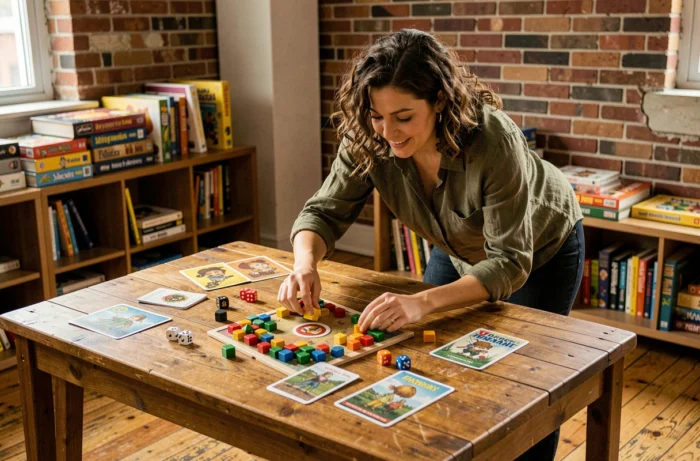
The leisure market in France is undergoing a rapid restructuring phase. Indoor multi-activity complexes are showing double-digit annual growth, escape games alone account for around 900 brands with more than 2,400 rooms across the country, and structured outdoor activities attract an audience that far exceeds the vacation framework. Identifying truly viable formats requires going beyond the usual lists of recreational ideas.
Escape game and sensory immersion: what distinguishes a profitable room from a gimmick
The escape game segment generates revenue exceeding 200 million euros in France, with an estimated growth of between 5% and 7% per year. This market maturity means that differentiation no longer relies solely on the concept, but on the quality of the scenography and the technicality of the mechanisms.
We observe that the rooms that build loyalty combine several layers of interaction: physical puzzles, digital devices, adaptive storytelling. The immersive sensory journey, where participants engage their five senses in a controlled environment, is establishing itself as a high-end variant. These formats attract both groups of friends and corporate seminar teams, improving the occupancy rate during the week.
For team building event organizers, a well-scripted escape game enhances team cohesion more than a traditional workshop. The reason lies in the mechanism of collective problem-solving under time constraints, which forces each participant to verbalize their hypotheses and listen to those of others.
Among the leisure activities offered by ComplexInfo, we find this type of experience that combines play, reflection, and group interaction, a triptych that purely digital formats struggle to replicate.
Structured outdoor activities: hiking and trail running as regular leisure
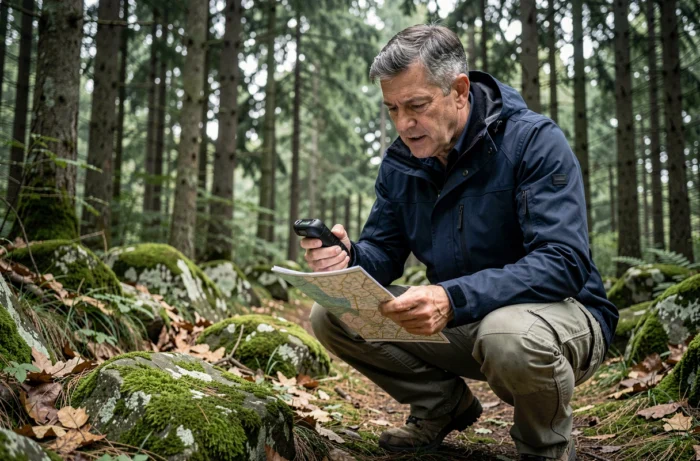
Hiking has become the most practiced physical activity in France since 2023, dethroning historically dominant disciplines. This shift is not a seasonal trend. It reflects a sustainable reorientation of leisure practices towards the outdoors, including outside holiday periods.
Trail running has seen a significant increase since 2024, particularly driven by a rapid feminization of the discipline. This dynamic opens opportunities for rural and suburban areas that have marked trails but lack visibility among urban practitioners.
What organizers underestimate
Offering a course is not enough. Participants expect precise logistical framing: shareable GPS marking, identified refreshment points, reliable elevation estimates. Associations specializing in nature sports emphasize the need to structure the offer to make it accessible to varied audiences, including beginners.
- Digital marking (downloadable GPX tracks) reduces entry friction for newcomers and limits the risk of abandonment during the course.
- Short formats (less than two hours) attract a family audience that does not envision a full-day outing.
- Integrating an educational component (botany, local geology) transforms a simple walk into a memorable experience without additional material costs.
Indoor leisure complexes: anatomy of an expanding format
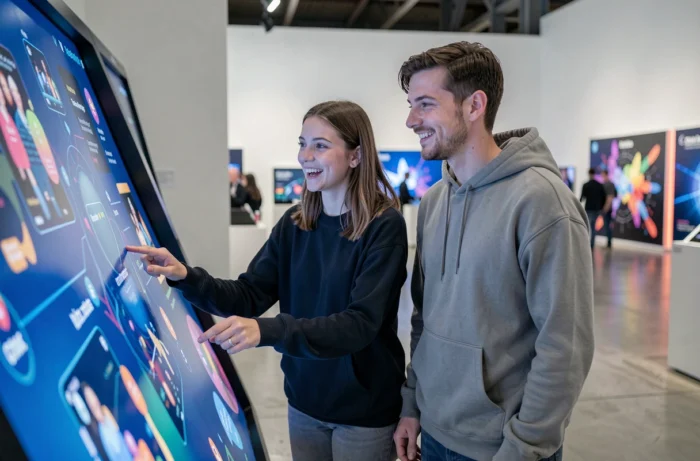
The growth of indoor leisure businesses is around 15%, a pace that attracts new entrants but saturates certain urban areas. The model relies on aggregating several activities under one roof: trampolines, virtual reality, obstacle courses, revamped bowling.
The profitability of these complexes depends on three variables rarely addressed in popular guides.
Activity rotation and visit duration
A high-performing complex targets a visit duration between 90 minutes and two hours. Below this, the price perceived by the visitor seems too high. Above this, the flow of participants drops, and queues degrade the experience. The spatial arrangement of activities directly conditions revenue per square meter.
The most rigorous operators test their courses by timing each station before opening. An imbalance of a few minutes between two areas creates a bottleneck that affects the entire flow.
Event animations and privatization
Privatization slots for birthdays, bachelor parties, or corporate seminars represent a significant portion of revenue. The typical quote includes a dedicated host, priority access to activities, and sometimes on-site catering. We recommend that managers plan for at least two modular spaces that can accommodate between ten and fifty participants without disrupting public flow.
Creative workshops and participatory experiences: the return of DIY
The creative economy is experiencing a structural resurgence of interest. Pottery, woodworking, cooking, or handmade workshops attract an adult audience seeking digital disconnection. The two-hour maximum workshop format dominates the market because it fits into a half-day slot compatible with family constraints.
- Small group workshops (six to twelve people) allow for individualized supervision and justify a higher price per person than a traditional group class.
- The “take-home object” dimension (ceramics, candles, homemade cosmetics) enhances perceived value and generates word-of-mouth through social media.
- Combined packages (workshop plus tasting, workshop plus visit to a heritage site) increase engagement duration and average spending.
This segment also benefits companies looking for team cohesion formats alternative to sports activities. A creative workshop levels the playing field for colleagues with heterogeneous physical profiles, which eliminates the performance bias that undermines some sports team buildings.
The choice of a fun activity depends less on the available catalog than on the organizer’s ability to calibrate duration, group size, and level of interaction. The formats that are progressing share a common trait: they place the participant in an active situation rather than as a spectator. It is this shift, from passive entertainment to participatory experience, that is currently structuring the leisure market in France.


