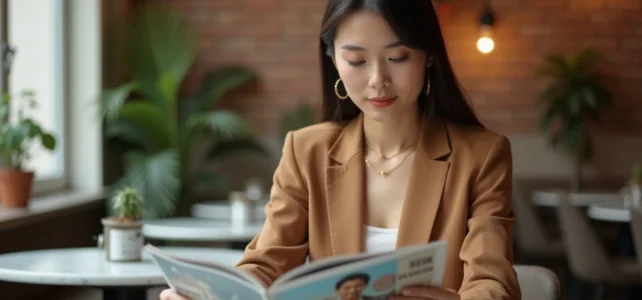
Lifestyle is no longer just about flipping through a fashion magazine or following the latest beauty releases. For a few seasons now, the boundaries between sports, culture, food, and engagement have blurred. What shapes trends today are hybrid events, stores that become living spaces, and technology that reshapes our shopping habits.
The physical store transformed into a lifestyle media
Have you noticed that entering certain shops feels more like visiting an exhibition than shopping? This shift is not anecdotal. Several French brands are rethinking their spaces to incorporate creative workshops, food pop-ups, or temporary art installations.
The goal is straightforward: the point of sale becomes a place of content, not just transaction. A customer enters for an experience and leaves with a story to tell on their social media. The product takes a back seat.
This phenomenon also affects luxury brands. Some houses are opening ephemeral spaces where one can attend a private concert, taste a menu crafted by a chef, or discover a capsule collection before it goes online. Among the new features to discover on Wow Magazine, several examples illustrate this shift from commerce to editorial.
The physical store is no longer competing with e-commerce. It offers what the screen cannot provide: the sensory, the unexpected, the encounter.
Hybrid festivals: when sports, music, and food merge in one place
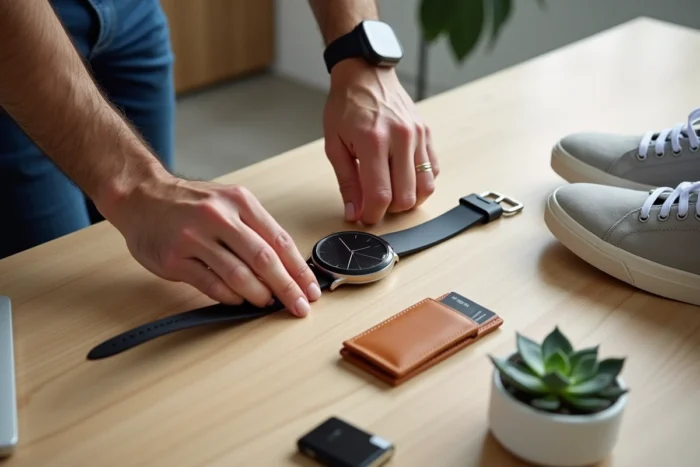
The Yardland festival, scheduled at the Paris-Vincennes Hippodrome from July 3 to 5, 2026, claims a positioning that mixes music, art, food, sports, and associative engagement. This is not an isolated case. Lifestyle events now aggregate multiple universes under one roof.
Why this choice? Because the audience is no longer defined by a single passion. A person who runs on Sunday morning listens to hip-hop in the evening and is interested in home fermentation during the week. Organizers have understood this: offering a single thematic axis means losing part of the audience.
What this trend concretely changes
- Brands sponsor thematic spaces rather than just a single booth. A sports equipment manufacturer can find itself next to an artisanal coffee roaster, and the juxtaposition makes sense.
- Content creators cover these festivals from multiple angles (fashion, food, music), which multiplies the organic visibility of the event.
- The audience stays longer on-site when the offering is varied, benefiting all exhibitors and partners.
This hybrid format reflects a fundamental evolution. Lifestyle is no longer a marketing segment; it is a lens that crosses all categories.
Sports and lifestyle: a fusion that redefines clothing codes
Sports have firmly established themselves in lifestyle content, well beyond simple fitness advice. This is evident in collaborations between clubs and fashion houses. Paris Saint-Germain and Nike unveiled an away jersey for the 2026-2027 season designed as much as a streetwear piece as a sports equipment.
The sports garment has become an identity marker, not just functional. Wearing a jersey outside the stadium is a statement of cultural belonging. Brands have integrated this into their strategies: the 2026 World Cup is set to be a major activation ground for brands looking to reach a young and connected audience.
Collaborations between creators and mainstream brands
Monoprix continues its collaborations with creators to offer accessible pieces that borrow from the codes of sportswear and ethical fashion. These capsule collections sell out quickly because they meet a specific need: dressing with intention without breaking the budget.
The men’s style is also evolving in this direction. The summer 2026 outfits for men favor relaxed cuts, lightweight materials, and silhouettes that transition from tennis court to terrace restaurant without a change.
Online shopping and artificial intelligence: what changes for the consumer
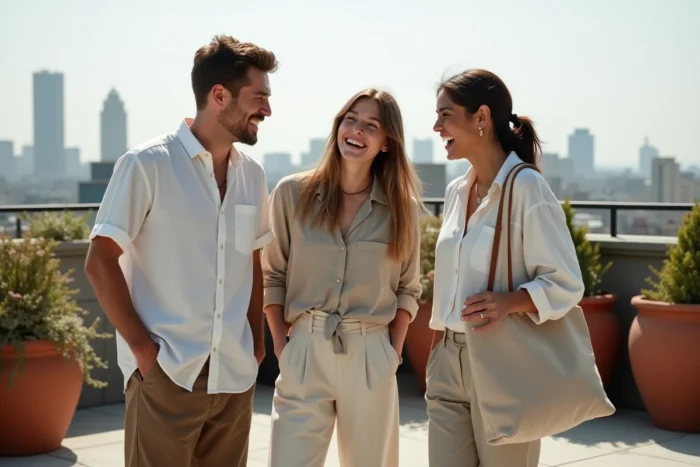
Lifestyle e-commerce is no longer just a digital showcase. Platforms like Zalando integrate artificial intelligence into product recommendations, logistics, and even return management. The shopping experience becomes personalized to a level that print magazines could not reach.
Specifically, an algorithm analyzes your past purchases, clicks, time spent on a product page, and then offers you a tailored selection. This is not science fiction. It is the everyday reality for millions of shoppers in 2026.
This evolution also raises questions. Hyper-personalization can trap one in a stylistic bubble. If the algorithm only shows you what you already like, how can you discover a new creator, an unexpected cut, or an accessory outside your comfort zone?
Finding the balance between recommendation and discovery
The smartest platforms are starting to inject a dose of controlled randomness into their suggestions. A percentage of “off-profile” recommendations to force serendipity. It’s a gamble: the conversion rate drops slightly, but engagement and loyalty increase over time.
Online lifestyle thus approaches what magazine publishing did at its best: surprising as much as informing.
What distinguishes current lifestyle trends from previous cycles is their transversality. Fashion, sports, food, technology, and culture no longer operate in silos. Brands that understand this create complete experiences. Others continue to publish lookbooks that no one flips through. The consumer’s choice, however, is already made.